
How to forage for Hawthorn Tea
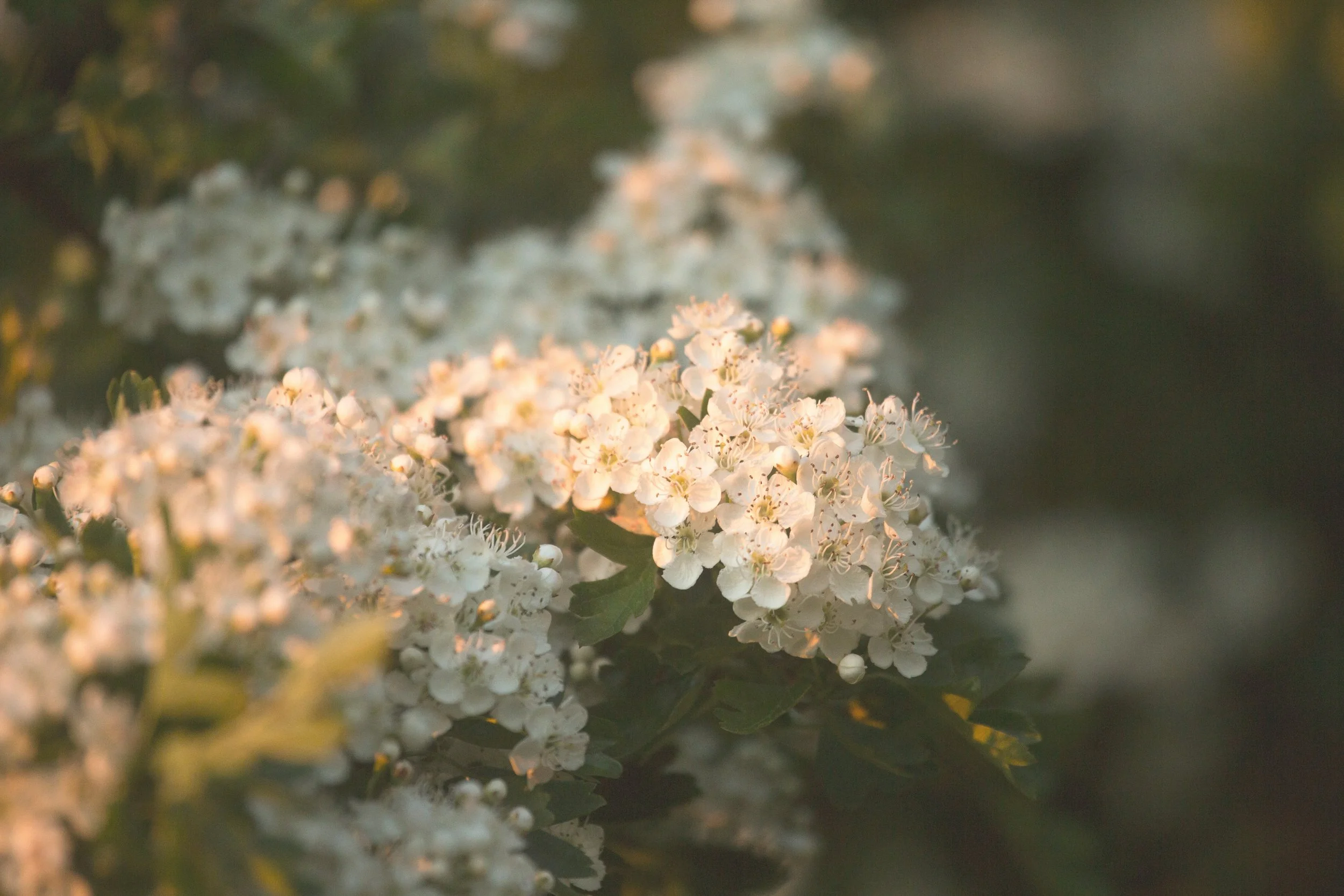
Hawthorn & the Heart
There is something quietly enchanting about hawthorn. In old folklore, this sacred hedgerow tree was deeply tied to the fairy realm, it was believed to stand as a threshold between the seen and unseen worlds. In Celtic traditions, lone hawthorn trees were thought to be fairy trees, places where spirits gathered and where the veil between worlds felt especially thin. People would leave ribbons, offerings, or prayers beneath their branches, and it was considered deeply unlucky to cut one down. Blooming around Beltane in early May, hawthorn became a symbol of protection, renewal, and the tender opening of the heart. Herbalists have long turned to hawthorn as a heart ally too, offering gentle support for circulation, emotional balance, and calm. It’s deeply connected to the heart chakra and emotional healing, said to reduce anxiety and support you through times of change.
How to find and forage Hawthorn
You’ll often find hawthorn growing along quiet country paths, woodland edges, and ancient hedgerows throughout spring, summer, and autumn. In spring (usually from April to May) the tree is covered in delicate white blossoms and fresh green leaves. By autumn, around September through November, those blossoms have transformed into deep red berries known as haws. Its branches are thorned and protective, while the leaves are small and gently lobed. When foraging, it helps to move slowly and respectfully, especially with a plant so steeped in old folklore. Harvest only what you need, leaving plenty for birds, pollinators, and the land itself. The young leaves and blossoms are best gathered in spring, while the berries are sweetest after the first cooler nights of autumn.
Homemade Hawthorn Tea
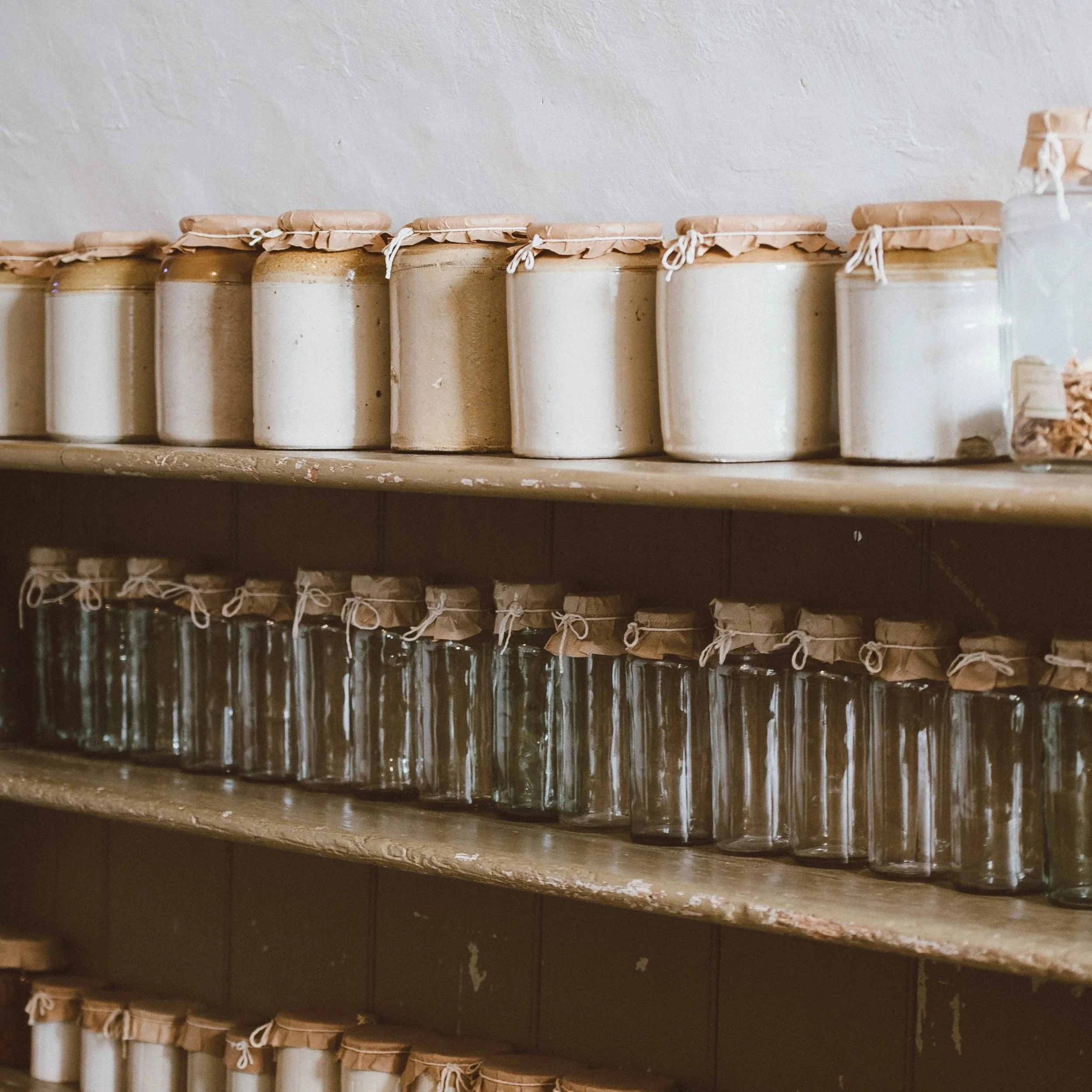
To make hawthorn tea, you can use the plant fresh or gently dried for the colder months. Fresh blossoms and leaves create a soft floral infusion, while the berries bring a richer, grounding warmth. Simply steep a small handful in hot water for 10 to 15 minutes and let the flavours slowly deepen. A spoonful of honey pairs beautifully with hawthorn, especially on slower mornings or quiet evenings. If you wish to blend it with other herbs, rose, chamomile, nettle, or lemon balm all work gently alongside its earthy sweetness. To dry your harvest, spread the leaves, flowers, or berries on a cloth in a warm airy place away from direct sunlight until fully dry, then store in a glass jar. Making hawthorn tea has become one of my favourite small slow living rituals, it feels like an invitation to pause, soften, and settle into the rhythm of each season.
You might love the Soul Shala
Soul Shala is our monthly membership space devoted to seasonal rituals, herbal wisdom, grounding practices, and soft slow living through the wheel of the year. You’re warmly invited to join us, and you can explore the space with a gentle 7 day free trial before settling in.
If you’d like to wander the hedgerows with me and experience the full hawthorn foraging and tea making ritual, you can watch the companion vlog on YouTube where I share the process more slowly and intimately. And if you feel called to deepen into this way of living.

Make Hawthorn tea with me on this weeks Youtube Vlog
CLICK HERE